Beginner Kettlebell Workout: A Simple Routine You Can Do at Home
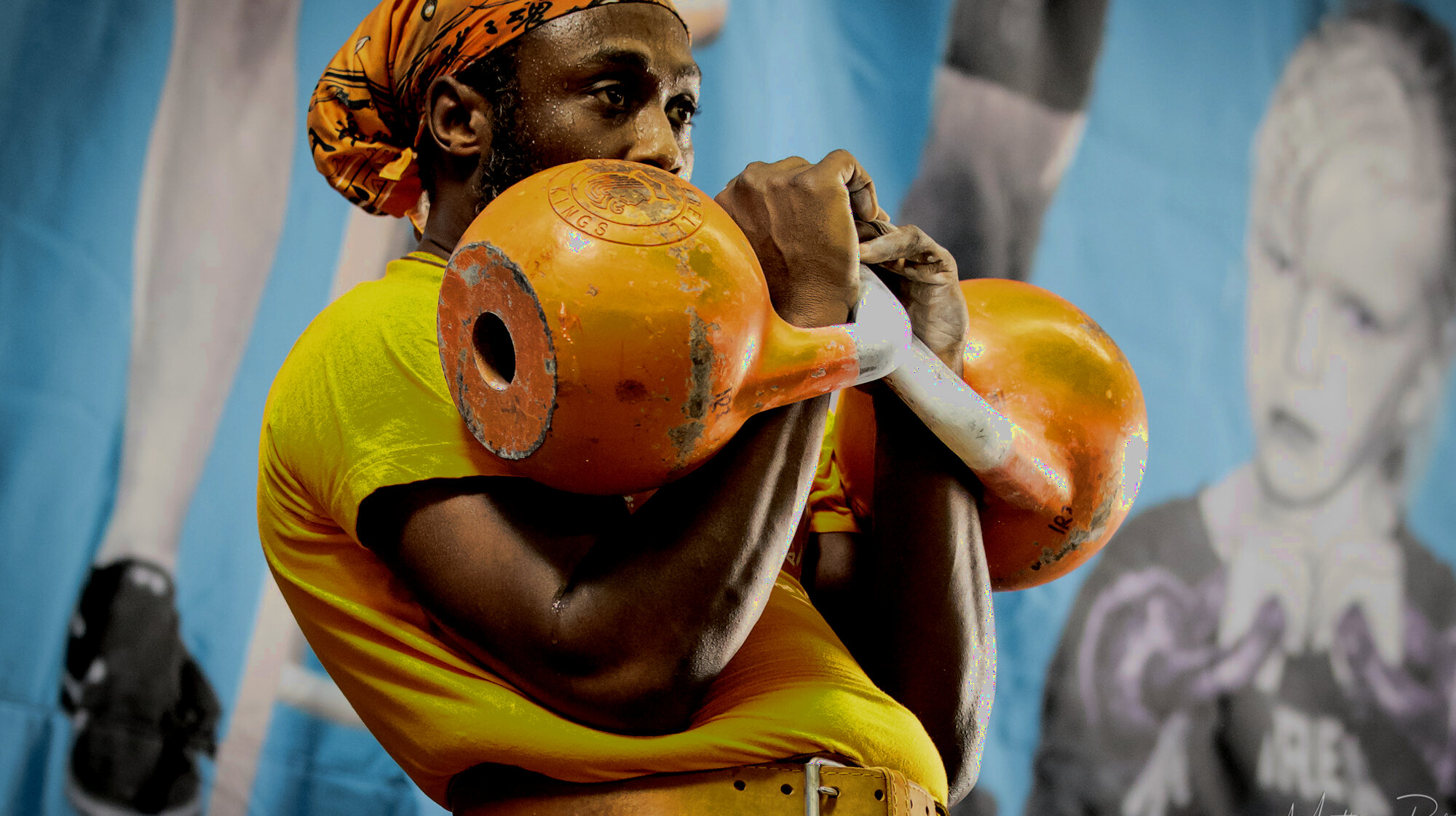
Want to get stronger at home, but not sure where to start? A few basic movements and one kettlebell can give you a simple place to begin. You don’t need a gym, a long workout, or a complicated plan.
This beginner kettlebell workout takes about 10 to 15 minutes. It uses six simple moves done for time. You can start with 1 to 2 sets, use easier variations where needed, and build up gradually.
If you’ve been out of practice, that’s okay. The first goal is to learn the movements and find a level you can manage with good control.
What do you need to get started?
You need a kettlebell you can lift and lower without straining. If you don’t have one yet, you can practise the same movement patterns with bodyweight first.
Set up on a clear, nonslip floor. Wear shoes that feel stable, or train barefoot if that’s comfortable and safe for you. Keep a chair or countertop nearby for support.
Before you pick up the kettlebell, spend two minutes warming up. March gently in place, do a few comfortable chair stands, and practise pushing your hips back without a weight. The point is to get moving, not to tire yourself out.
What’s in the beginner kettlebell workout?
This routine uses six exercises. In the original short video format, you do each exercise for 20 seconds and complete 5 sets, resting 1 to 2 minutes between sets.
If you’re new to kettlebells, start with 1 to 2 sets. Keep each move at 20 seconds. Rest as needed during the set, and take 1 to 2 minutes between sets. Over time, you can build toward the full 5 sets as your control and work capacity improve.
| Exercise | Starting amount |
|---|---|
| Hand to Hand Swing | 20 seconds |
| Dead Clean | 20 seconds |
| Press | 20 seconds |
| Goblet Squat Hold | 20 seconds |
| Push-Ups | 20 seconds |
| Mountain Climbers | 20 seconds |
Use a light bell at first. Stop one rep before your form breaks. These are fast, momentum-driven movements, especially the swing and dead clean, so beginners should keep the bell light and slow down enough to stay in control.
1. Hand to Hand Swing
Start with the kettlebell a short distance in front of you. Hinge at the hips, hike the bell back, and swing it to about chest height. As the bell floats, pass it from one hand to the other, then switch again on the next swing. The power should come from your hips, not your arms.
Learn the hinge and the swing path first. Keep the bell close to your body on the backswing and let the hips drive the movement forward.
Make it easier: Practise a two-handed swing first. If that still feels too quick, practise the hip hinge without a bell or with a deadlift pattern until the movement feels steady.
2. Dead Clean
Set the kettlebell on the floor between your feet. Hinge down, grip the handle, and bring the bell up in one smooth motion to the rack position. The bell should travel close to your body rather than looping far away from you. Reset between reps if needed.
This is still a hinge-based movement, but it moves faster than a deadlift. Keep the bell light while you learn the path.
Make it easier: Practise a deadlift first, then a high pull or a clean setup without finishing the full catch. You can also do one careful rep at a time and reset on the floor.
3. Press
Hold the kettlebell in the rack position near your chest and shoulder. Press it overhead with control, then lower it back to the rack. Keep your ribs down and avoid leaning back to force the weight up.
Make it easier: Use a lighter bell, or do a partial press through a comfortable range. If needed, practise holding the rack position first so you can get used to the starting posture.
4. Goblet Squat Hold
Hold the kettlebell close to your chest in the goblet position and sit into the bottom of a squat that feels comfortable for you. Stay tall through your chest and keep your feet planted. Hold for the full 20 seconds, then stand up carefully.
You do not need to drop into a deep squat. A steady, controlled hold at a comfortable depth is enough.
Make it easier: Sit to a chair and hold the bottom position lightly, or hold a shallower squat. You can also do the hold without a kettlebell.
5. Push-Ups
Set your hands under or slightly wider than your shoulders. Keep your body in one line as you lower yourself, then press back up. Move in a range you can control.
Make it easier: Put your hands on a wall, countertop, or bench instead of the floor. You can also shorten the range and focus on keeping your body steady.
6. Mountain Climbers
Start in a high plank with your hands on the floor or a raised surface. Bring one knee forward, then switch legs in a steady rhythm. Keep your hands pressing into the floor and try not to let your hips bounce too much.
Make it easier: Slow the pace down and step one foot forward at a time. You can also elevate your hands on a bench or countertop to reduce the load.
Want to see the movements first?
You can watch Irvin demonstrate the full routine in this short video: Kettlebell workout.
If a move feels too quick to copy right away, pause the video and practise the easier version first.
How often should you do it?
A 10-to-15-minute session can fit into a busy day, but you don’t need to repeat this strength workout every day. Start with two sessions a week, with a rest day between them. If that feels comfortable after a few weeks, you can consider adding a third session.
On other days, you might take a short walk or do gentle movement. The CDC’s adult activity guidance recommends muscle-strengthening activity at least two days a week. That’s a useful general target, not a reason to push through pain or fatigue.
When the routine starts to feel easier, make one small change at a time. Add a few reps, try a second round, or use a slightly heavier bell. You don’t need to increase everything at once.
What should you pay attention to?
Start light. Choose a weight you can lift and control without holding your breath or straining.
Learn the hinge and the swing path first. The swing and dead clean are fast, momentum-driven movements. Keep the bell light, slow down, and make sure the bell stays close enough to control.
Stop before your form breaks. If you find yourself twisting, rounding your back, losing your balance, or rushing, end the set. Rest or switch to an easier version.
Stop exercising if you feel sharp pain, dizziness, chest pain, or unusual shortness of breath. If you have a health condition, an injury, or a concern about whether a movement is suitable for you, check with a health professional before starting.
Can you do this as a bodyweight workout?
Yes. If you’re looking for a bodyweight workout for over 40, several parts of this routine have options without a kettlebell. Practise hip hinges without weight, squat holds or chair stands, push-ups on a wall or countertop, and slow mountain climbers with your hands elevated if needed.
The goal is to practise movements you can control. A lighter version is still useful practice.
People searching for kettlebell exercises for seniors may also benefit from these simpler starting points. Age alone doesn’t tell you which variation is right; your comfort, balance, experience, and health matter too.
Who is this routine for?
This routine is a starting point for adults over 40 who want a manageable home workout for over 40 and don’t have a gym. It’s especially useful if you’re returning to exercise and want to focus on a few basic movements rather than a long list of exercises.
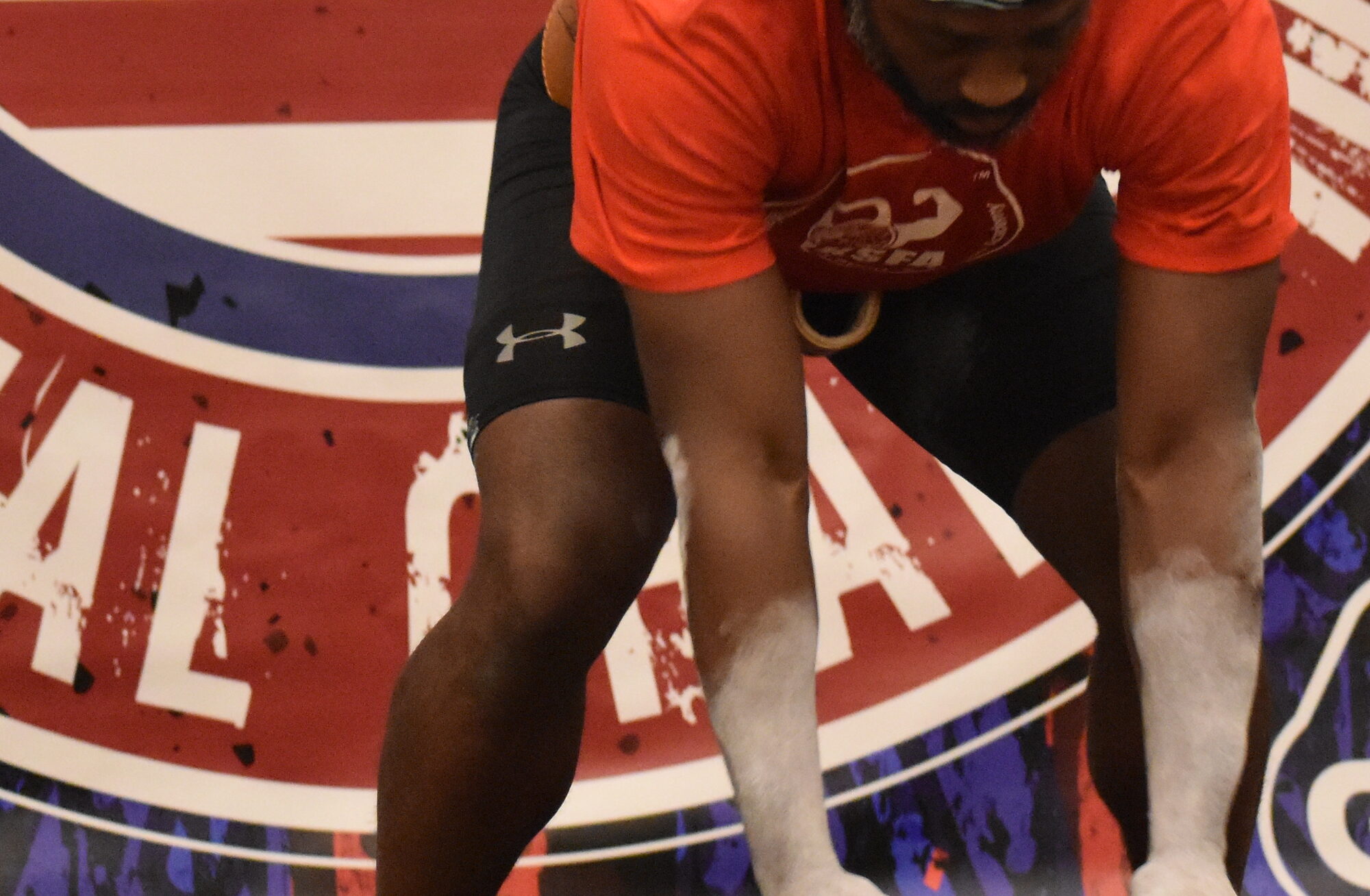
The routine reflects the practical approach of coach Irvin Charleston, who has more than 20 years of coaching and competition experience. In Girevoy Sport, he earned two silver medals at the 2018 IUKL World Championships in Latvia.
You don’t need to prove anything in your first session. Start with movements you can control, and build from there.
What if you don’t know where to start?
A workout gives you something to practise. It doesn’t tell you what your current strengths or limits are. If you want a clearer starting point, take the Strength Audit online — $9 one-time.
You start with 10 quick questions, then make a $9 one-time payment. There is no subscription.
What you get is a simple measurement process you can do at home. Over 7 mornings, you do one short test each morning. Each test has 4 levels, with clear written standards so you know what counts at each level.
At the end, you get a final scorecard across six areas of strength and mobility, plus the two areas to work on first. You can retest in 90 days against the same standards to see what changed.
You do not need a gym, and most of the tests need no equipment. The audit is a measurement, not a workout program, so it gives you a better idea of where to begin before you decide what to train.